


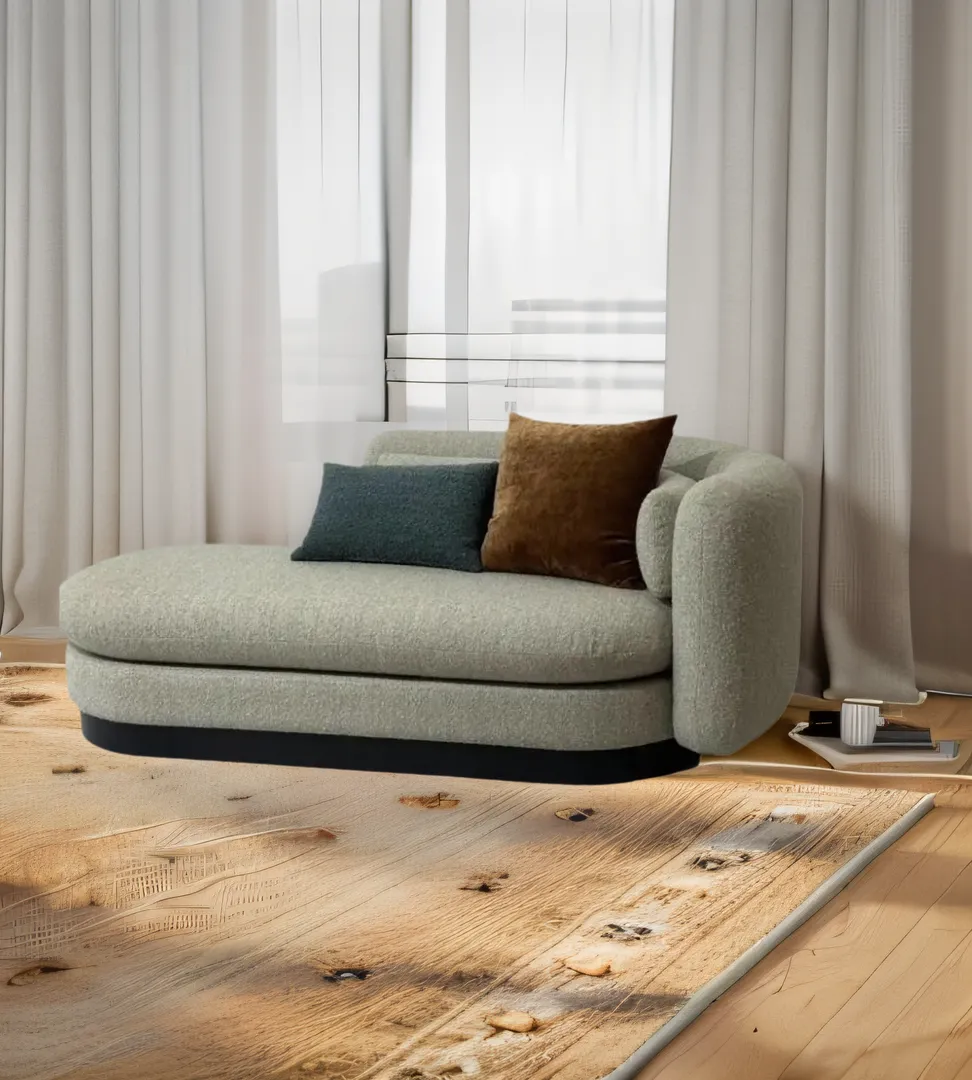
Introduction: The Role of Custom Hotel Furniture in Guest Experience
In modern hospitality, guest experience has become the defining factor for success. Travelers today expect more than just a place to stay—they seek comfort, convenience, and a memorable environment. One of the most effective ways to achieve this is through well-designed custom hotel furniture.
Unlike standard furniture, custom hotel furniture is created with specific user needs, spatial layouts, and brand identities in mind. Every piece, from beds and seating to storage and workspaces, plays a role in shaping how guests interact with the environment. Thoughtful furniture design can improve comfort, enhance usability, and create a strong emotional connection with the brand.
Additionally, hotels must cater to diverse guest expectations, including business travelers, families, and leisure tourists. Customization allows designers to address these varying needs while maintaining consistency in style and quality. By focusing on ergonomics, functionality, and aesthetics, hotels can transform ordinary spaces into engaging experiences.
This article explores how to design custom hotel furniture that enhances guest satisfaction while supporting operational efficiency and long-term value.
Understanding Guest Needs and Behavioral Patterns
Designing effective custom hotel furniture begins with a deep understanding of guest behavior. Every guest interacts differently with hotel spaces, and furniture should be designed to accommodate these interactions seamlessly. For example, business travelers often require functional workspaces with comfortable seating and accessible power outlets, while leisure guests prioritize relaxation and comfort.
Guestrooms must provide a balance between comfort and functionality. Beds should offer proper support, seating should encourage relaxation, and storage should be easily accessible. Public areas such as lobbies and lounges should promote social interaction while maintaining privacy when needed.
Custom hotel furniture enables designers to address these needs with precision. By analyzing how guests use spaces—whether for work, rest, or socializing—designers can create furniture that enhances usability and satisfaction. This approach also helps reduce friction in daily interactions, making the guest experience more intuitive and enjoyable.
Furthermore, accessibility should not be overlooked. Inclusive design ensures that furniture accommodates guests of all abilities, contributing to a more welcoming and professional hospitality environment.
Balancing Aesthetics and Functionality in Furniture Design
A successful hotel design must strike the right balance between visual appeal and practical functionality. While aesthetics create the first impression, functionality determines long-term satisfaction. Custom hotel furniture allows hotels to achieve both without compromise.
From a design perspective, furniture should align with the hotel’s overall theme. Whether it is modern, classic, or boutique, consistency in style reinforces brand identity. Materials, colors, and finishes should be carefully selected to create a cohesive look across all spaces.
At the same time, functionality must remain a priority. Furniture should be easy to use, durable, and adaptable to different needs. For instance, multi-functional pieces such as storage-integrated beds or modular seating can maximize space efficiency without sacrificing design.
Custom hotel furniture also provides flexibility in dimensions and layout. This is especially important in hotels with unique architectural features or limited space. By tailoring furniture to fit specific environments, hotels can optimize both aesthetics and usability.
Ultimately, the goal is to create furniture that not only looks appealing but also enhances the overall guest experience through thoughtful design.
Material Selection and Durability for Long-Term Performance
Material selection is a critical aspect of designing custom hotel furniture. Hotels experience high levels of daily use, making durability and maintenance key considerations. Choosing the right materials ensures that furniture remains functional and visually appealing over time.
Common materials include solid wood, engineered wood, metal, and high-quality upholstery fabrics. Each material offers different advantages in terms of strength, appearance, and cost. For example, solid wood provides a premium look and long lifespan, while engineered materials offer consistency and cost efficiency.
In addition to durability, materials should be easy to clean and maintain. Hotels require furniture that can withstand frequent cleaning without losing its quality. Stain-resistant fabrics and scratch-resistant surfaces are particularly valuable in high-traffic areas.
Sustainability is another growing consideration. Many hotels are adopting eco-friendly practices, and custom hotel furniture can support this by incorporating sustainable materials and environmentally responsible production processes.
By carefully selecting materials, hotels can ensure that their furniture delivers long-term value while maintaining a high standard of quality and appearance.
Space Optimization and Smart Furniture Design
Efficient use of space is essential in hotel design, especially in urban environments where room sizes may be limited. Custom hotel furniture plays a key role in maximizing available space while maintaining comfort and functionality.
Smart design solutions include multi-purpose furniture, modular systems, and built-in storage. For example, a bed with integrated drawers or a desk that doubles as a vanity can significantly improve space utilization. These solutions enhance convenience for guests while reducing clutter.
In public areas, flexible seating arrangements allow hotels to adapt spaces for different purposes, such as social gatherings or quiet relaxation. Custom hotel furniture enables designers to create layouts that support smooth traffic flow and enhance usability.
Lighting integration is another important factor. Furniture designed with built-in lighting or cable management systems can improve both functionality and aesthetics. These details contribute to a more comfortable and user-friendly environment.
By focusing on space optimization, hotels can create environments that feel spacious and well-organized, even in compact settings.
Brand Identity and Personalization Through Furniture Design
Furniture is a powerful tool for expressing brand identity. Custom hotel furniture allows hotels to incorporate unique design elements that reflect their values, theme, and target audience. This creates a consistent and memorable experience for guests.
Branding can be integrated through color schemes, materials, shapes, and even small details such as stitching or finishes. For example, a luxury hotel may use rich textures and elegant designs, while a modern hotel may focus on minimalism and clean lines.
Personalization also plays a key role in enhancing guest experience. Custom hotel furniture can be designed to cater to specific demographics, such as families, business travelers, or long-stay guests. This targeted approach ensures that furniture meets the expectations of different user groups.
Additionally, unique furniture designs can serve as visual highlights, making the hotel more memorable and shareable on social media. This indirectly contributes to marketing and brand recognition.
By aligning furniture design with brand identity, hotels can create a strong and lasting impression that differentiates them from competitors.
About OC International and Our Custom Hotel Furniture Solutions
At OC International, we specialize in designing and manufacturing high-quality custom hotel furniture for global hospitality projects. With extensive industry experience, we understand the importance of combining functionality, durability, and design to enhance guest experience.
Our product portfolio includes hotel guestroom furniture, hotel lobby furniture, restaurant furniture, resort furniture, as well as loose hotel furniture and fixed hotel furniture. We also provide millwork, joinery, casegoods, and soft seating solutions to meet the diverse needs of hotel projects.
OC International operates advanced production facilities with strict quality control systems, ensuring that every piece of custom hotel furniture meets international standards. Our team focuses on precision manufacturing, material selection, and finishing details to deliver reliable and visually appealing products.
We offer one-stop services including design consultation, customization, production, and project management. By working closely with clients, OC International delivers tailored furniture solutions that align with brand identity and enhance overall guest satisfaction.
👉 Contact OC International today to develop custom hotel furniture solutions that elevate your hospitality project.
Conclusion
Designing custom hotel furniture is a strategic process that goes beyond aesthetics. By understanding guest needs, balancing design and functionality, selecting the right materials, and optimizing space, hotels can create environments that enhance comfort and satisfaction.
Custom hotel furniture also plays a vital role in expressing brand identity and improving operational efficiency. With the right design approach and a reliable manufacturing partner like OC International, hotels can achieve long-term success in a competitive market.
Investing in well-designed furniture is not just about appearance—it is about creating experiences that guests will remember and return for.
FAQ: Custom Hotel Furniture
Q1: What is custom hotel furniture and how does it enhance guest experience?
Custom hotel furniture is designed specifically for a hotel’s needs, improving comfort, usability, and overall guest satisfaction through tailored solutions.
Q2: How do you design custom hotel furniture for better functionality?
Designing custom hotel furniture involves understanding guest behavior, optimizing space, and creating multi-functional furniture that improves convenience and usability.
Q3: What materials are best for custom hotel furniture durability?
Durable materials such as solid wood, metal, and high-quality fabrics are commonly used in custom hotel furniture to ensure long-term performance.
Q4: How does custom hotel furniture support hotel branding?
Custom hotel furniture allows hotels to integrate colors, materials, and design elements that reflect brand identity and create a consistent visual experience.
Q5: Can custom hotel furniture be adapted for different hotel types?
Yes, custom hotel furniture can be tailored for luxury hotels, boutique hotels, business hotels, and resorts, ensuring that each style meets specific functional and aesthetic requirements.
لن يتم نشر عنوان بريدك الإلكتروني. الحقول المطلوبة مميزة *